EURJPY
EURJPY Lot Size: Formula, Pip Value and Position Size Tables
On EURJPY, 1.0 lot pays 1,000 yen per pip, the same as every other yen pair. In a US dollar account that converts at the USDJPY rate: with USDJPY at 158.29 on November 3, 2026, one pip on a full lot was about $6.32, not the $10 habit from EURUSD. Size EURJPY with the dollar habit and you end up about 37% smaller than your plan.
This Timeless guide covers why a yen pip is 0.01, what 0.01 to 1.0 lot of EURJPY are worth, how far the cross really moves day to day versus USDJPY and GBPJPY, the lot size formula with worked examples, tables for $1,000 to $25,000 accounts, and the third decimal trap. Every number matches the free SIWAI EURJPY lot size calculator, so you can rerun any row with your own stop.
Why one EURJPY pip on 1.0 lot is 1,000 yen
EURJPY is the price of one euro in Japanese yen. A quote of 176.95 means one euro buys 176.95 yen. A pip on a yen pair is the second decimal, 0.01, not the fourth decimal used on EURUSD. A standard forex lot is 100,000 units of the base currency, and the pip is paid in the quote currency, so:
- 1.00 lot × 0.01 = ¥1,000 per pip
- 0.10 lot × 0.01 = ¥100 per pip
- 0.01 lot × 0.01 = ¥10 per pip
That yen amount is identical on USDJPY, GBPJPY, AUDJPY and every other yen cross. What makes EURJPY its own trade is the euro leg: the European Central Bank sets euro policy while the Bank of Japan sets yen policy, so the cross can move when either side speaks. For how EURJPY and GBPJPY usually travel together, see EURJPY vs GBPJPY correlation.
What 0.01, 0.10 and 1.0 lot of EURJPY are worth per pip
A US dollar account converts the yen at the USDJPY rate: dollars per pip = yen per pip ÷ USDJPY. The table uses the ECB euro reference rates of November 3, 2026 (data via Frankfurter), which give USDJPY 158.29 and EURJPY 176.95. Cents are rounded.
| Lot size | Units | Yen per pip | USD per pip | USD per 10 pips | USD per 50 pips |
|---|---|---|---|---|---|
| 0.01 | 1,000 | ¥10 | $0.06 | $0.63 | $3.16 |
| 0.10 | 10,000 | ¥100 | $0.63 | $6.32 | $31.59 |
| 0.50 | 50,000 | ¥500 | $3.16 | $31.59 | $157.94 |
| 1.00 | 100,000 | ¥1,000 | $6.32 | $63.18 | $315.88 |
Read it as "lots times 1,000 yen, then divide by USDJPY." The same $6.32 pip applies to USDJPY and GBPJPY that day. The difference is the stop your chart needs, not a different pip value. The shared yen math is covered in more depth in USDJPY and GBPJPY lot size. Spread, commission and overnight swap come on top, so a real losing trade always costs a little more than the table.
How far EURJPY moves in a day, versus USDJPY and GBPJPY
A stop that is tighter than normal noise gets hit by noise. On the same ECB daily fixes from September 30, 2025 to November 3, 2026, EURJPY's absolute close to close moves were:
| Measure (ECB daily fix) | EURJPY pips | Cost on 0.10 lot |
|---|---|---|
| Average move, last 63 fixes (about 3 months) | 51.7 | $32.67 |
| Median move, last 63 fixes | 33.0 | $20.86 |
| Average move, full sample (279 moves) | 52.2 | $32.99 |
| Median move, full sample | 37.0 | $23.38 |
| Average move over 5 fixes (about one week) | 127.7 | $80.71 |
| Largest single move (April 29 to 30, 2026) | 384.0 | $242.69 |
Over those same 63 fixes, USDJPY averaged 49.4 pips a day (median 34.5) and GBPJPY averaged 66.8 pips (median 45.7). EURJPY sits between them: wider than the dollar yen major, quieter than the pound yen cross. That is why a typical EURJPY stop often lands around 30 to 50 pips when a GBPJPY idea on the same structure needs 45 to 70. Over the year the ECB EURJPY rate ranged from 172.47 on October 1, 2025 to 187.72 on April 17, 2026. The April 29 to 30 drop of 384 pips (2.05%) shows how a single BoJ or risk off session can cover several normal weeks.
The EURJPY lot size formula, with two worked examples
Position sizing starts from the money you accept to lose, not from the lot you would like to trade, as Investopedia's position sizing guide explains. For EURJPY in a US dollar account it is three lines:
Risk money = account equity × risk percent
Risk per 1.0 lot = stop in pips × (1,000 ÷ USDJPY)
Lot size = risk money ÷ risk per 1.0 lot
Example 1: $5,000 account, 1% risk, long EURJPY with a 35 pip stop, USDJPY at 158.29.
- Risk money: $5,000 × 1% = $50
- Risk per 1.0 lot: 35 × $6.32 = $221.12
- Lot size: $50 ÷ $221.12 = 0.226, rounded down to 0.22 lot
- Check: 0.22 × $221.12 = $48.65 at risk (0.97% of the account)
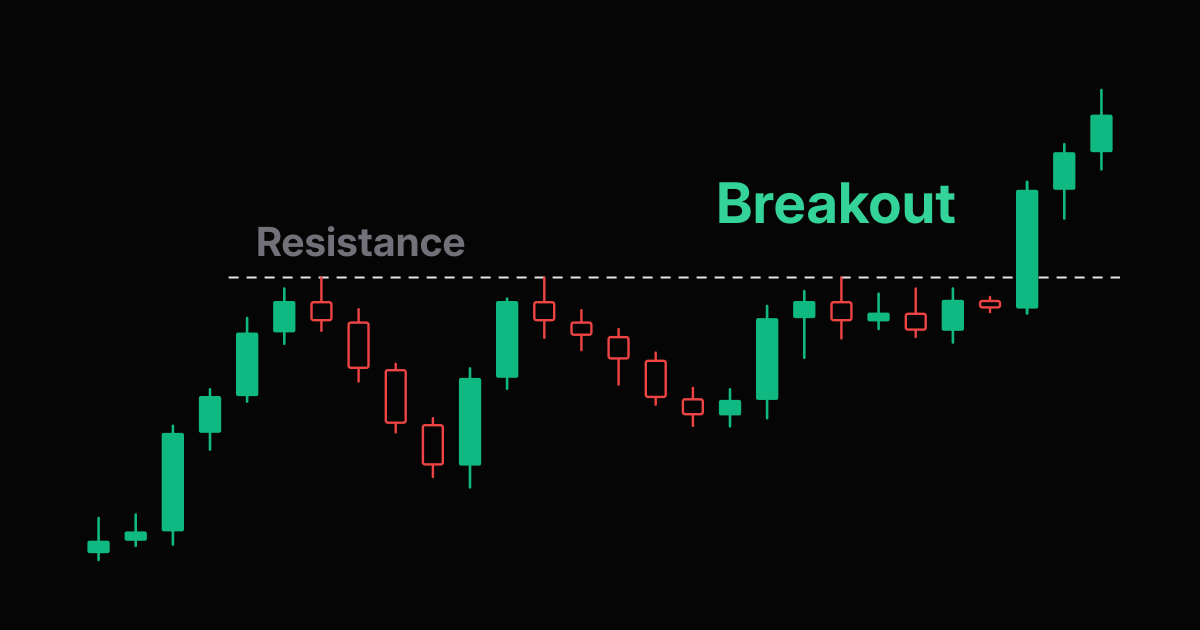
Example 2: $10,000 account, 1% risk, a 50 pip stop under a breakout candle.
- Risk money: $10,000 × 1% = $100
- Risk per 1.0 lot: 50 × $6.32 = $315.88
- Lot size: $100 ÷ $315.88 = 0.317, rounded down to 0.31 lot
- Check: 0.31 × $315.88 = $97.92 at risk (0.98% of the account)
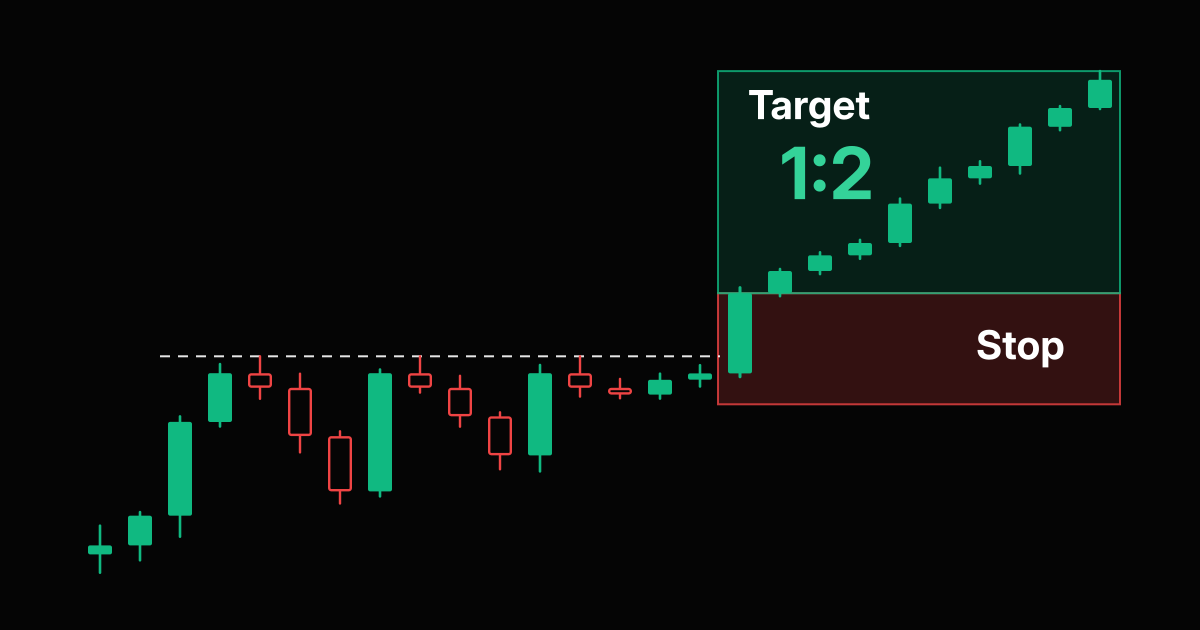
Always round down to your broker's volume step. Had you used the EURUSD habit of $10 per pip, example 1 would give $50 ÷ $350 = 0.14 lot, about 36% smaller than the plan. The stop comes first from the chart: under the breakout candle, under the last higher low, or past the level that proves you wrong. Then the lot follows from it.
EURJPY lot size tables for $1,000 to $25,000 at 1% risk
Each cell is the largest lot that keeps the loss at or under 1% of the account if the stop is hit, with USDJPY at 158.29, rounded down to the usual 0.01 lot step. Stops of 20, 35, 50 and 75 pips cover a tight scalp through a wider swing stop on this cross.
| Account | Risk at 1% | 20 pip stop | 35 pip stop | 50 pip stop | 75 pip stop |
|---|---|---|---|---|---|
| $1,000 | $10 | 0.07 | 0.04 | 0.03 | 0.02 |
| $2,500 | $25 | 0.19 | 0.11 | 0.07 | 0.05 |
| $5,000 | $50 | 0.39 | 0.22 | 0.15 | 0.10 |
| $10,000 | $100 | 0.79 | 0.45 | 0.31 | 0.21 |
| $25,000 | $250 | 1.97 | 1.13 | 0.79 | 0.52 |
On 0.01 lot one pip is about 6 cents, so each $1 of risk buys roughly 15.8 pips of stop. A $1,000 account risking 1% ($10) can afford a stop of about 158 pips at the minimum size; a $500 account risking $5, about 79 pips. Wider than that, the lot cannot shrink any further. Wait for a tighter structure, accept a larger risk knowingly, or skip the trade. For more small accounts side by side, see How Many Lots Can I Trade With $100, $500 or $1,000?
Risk percent scales the lot in a straight line. Same $5,000 account, same 35 pip stop:
| Risk per trade | Risk money | Lot size (35 pip stop) | Loss after 5 losers in a row |
|---|---|---|---|
| 0.5% | $25 | 0.11 | $125 (2.5%) |
| 1% | $50 | 0.22 | $250 (5%) |
| 2% | $100 | 0.45 | $500 (10%) |
The last column uses fixed dollar risk on the starting balance to keep the math readable. Lot size only controls the loss; the payoff decides whether the trade is worth taking. Check the target against the stop with the risk reward calculator and our guide on how to calculate risk reward ratio.
Pips, points and the third decimal
Most platforms show EURJPY with three decimals, such as 176.950. The last digit is a point (some call it a pipette), worth one tenth of a pip. MetaTrader measures stops in points, many traders talk in pips, and mixing them is the most common yen sizing mistake.
| Unit | Price move | Value on 1.0 lot | A 35 pip stop equals |
|---|---|---|---|
| Pip | 0.01 | ¥1,000 (about $6.32) | 35 pips |
| Point or pipette (three decimal quote) | 0.001 | ¥100 (about $0.63) | 350 points |
| One full yen | 1.00 | ¥100,000 (about $631.76) | 0.35 yen |
All three rows describe the same 35 pip stop. Enter "35" in a field that expects points and you tell the calculator your stop is 3.5 pips, which makes the lot ten times too large. Enter "350" in a pips field and the lot comes out ten times too small. Measure the stop in price first (0.35 yen), then convert.
If your account is in euros, pounds or yen
The pip is still 1,000 yen on 1.0 lot, but your broker converts it into your account currency. With the same ECB reference rates of November 3, 2026:
| Account currency | Converts at | Value of 1 pip on 1.0 lot |
|---|---|---|
| Japanese yen | No conversion | ¥1,000 |
| US dollar | USDJPY 158.29 | $6.32 |
| Euro | EURJPY 176.95 | €5.65 |
| British pound | GBPJPY 212.28 | £4.71 |
For a euro account the pip value is 1,000 ÷ EURJPY, so it moves whenever the cross itself moves. That is convenient for euro based traders who think in euros, but it also means a fixed lot sees risk per pip drift as EURJPY trends. Rerun the calculator when the rate has moved a few yen.
Check your broker, margin and stacked yen risk
Open the EURJPY Specification in MetaTrader (right click it in Market Watch). The MetaTrader 5 help lists the fields that matter:
- Contract size: units per 1.0 lot, normally 100,000. Cent or micro accounts may use less, which shrinks every value in this guide.
- Digits: three digits means the last one is a point, so 10 points make a pip. A 35 pip stop is 350 points.
- Tick value: money per point on 1.0 lot in your account currency. Ten times that is your pip value, and it confirms the math above in one number.
- Minimal volume and volume step: the smallest order and the increment, which decide when a table cell is really out of reach.
Leverage does not change your pip value. It only changes the margin your broker holds. In the EU, ESMA's retail CFD rules cap leverage at 30:1 for major currency pairs. EURJPY is a major cross for most brokers under that rule. At 176.95, 1.0 lot is 100,000 euros of exposure, about $111,790 at EURUSD 1.1179, and needs about $3,726 of margin at 30:1. The 0.22 lot from example 1 needs about $820 of margin while its risk is still about $1.39 per pip.
Finally, two correct lots can still be one oversized yen bet. EURJPY and GBPJPY had a 0.95 correlation over three months to October 30, 2026 in our EURJPY vs GBPJPY guide, and both sit close to USDJPY on many days. Long EURJPY plus long GBPJPY at 1% each often behaves closer to 2% on one weaker yen idea. Check the live EURJPY vs GBPJPY correlation and EURJPY vs USDJPY correlation, and read how to use correlation in forex. For the general method on every pair, see how to calculate lot size in forex or the position size calculator.
Frequently Asked Questions
How much is 1 lot of EURJPY?
On a standard 100,000 contract, 1.0 lot of EURJPY pays 1,000 yen for every pip (a 0.01 move). In a US dollar account that converts at the USDJPY rate: with USDJPY at 158.29 on November 3, 2026, one pip was about $6.32, so a 50 pip move is about $316 before costs.
How much is 0.01 lot of EURJPY worth?
At 1,000 yen per pip on 1.0 lot, 0.01 lot is 10 yen per pip. At USDJPY 158.29 that is about $0.06 per pip, so a 50 pip move changes profit or loss by about $3.16 before spread, commission and financing.
How do I calculate EURJPY lot size?
Lots = (account equity × risk percent) ÷ (stop in pips × (1,000 ÷ USDJPY)). Round down to your broker volume step. Example: $5,000 at 1% with a 35 pip stop and USDJPY at 158.29 is $50 ÷ $221.12 = 0.22 lot.
Is EURJPY lot size the same as USDJPY or GBPJPY?
The pip value is the same: 1,000 yen per pip on 1.0 lot, converted at the same USDJPY rate in a dollar account. What differs is the stop. Over the 63 ECB fixes to November 3, 2026, EURJPY averaged 51.7 pips a day, USDJPY 49.4 and GBPJPY 66.8, so a GBPJPY stop is often wider and the lot smaller for the same risk money.
How far does EURJPY move in a day?
Over the 63 ECB fixes to November 3, 2026, EURJPY averaged 51.7 pips close to close (median 33.0). Over the full sample from September 30, 2025 the average was 52.2 pips (median 37.0). The largest day was April 29 to 30, 2026, down 384.0 pips (2.05%).
Why is an EURJPY pip not $10?
The $10 rule is for pairs that end in USD, like EURUSD, where the pip is already paid in dollars. EURJPY pays in yen, so a dollar account divides 1,000 yen by USDJPY. At 158.29 that is about $6.32 per pip on 1.0 lot.
Risk Disclaimer: Trading stocks, options, futures, forex, commodities, and cryptocurrencies involves substantial risk of loss and is not suitable for every investor. Past performance does not guarantee future results. This article is for educational purposes only and does not constitute financial advice. You should carefully consider your financial situation and risk tolerance before trading. Never trade with money you cannot afford to lose. Exchange rates and daily moves in this guide come from ECB reference rates up to November 3, 2026 and change every day. Contract sizes, tick values and minimum volumes vary by broker. Confirm the Specification on your platform before sizing a live order.